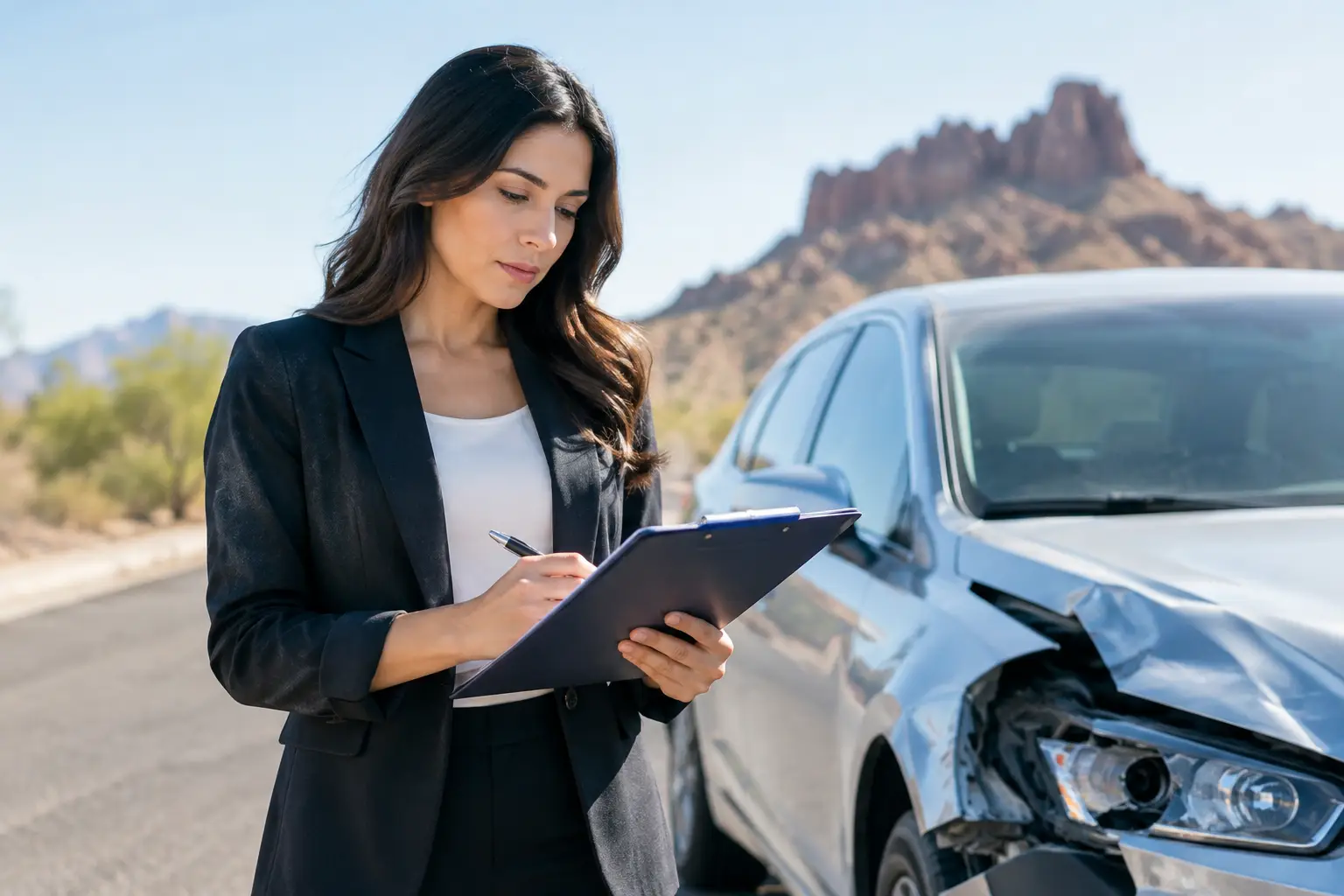
How to Get a Rental Car Crash Report in Arizona

A rental car collision creates two documentation tracks at once: the official law-enforcement record and the rental company’s damage process. A rental car crash report Arizona drivers need for an insurance claim, injury matter, or liability review is usually the law-enforcement report created when an officer responds and investigates. Knowing which record you need can prevent delays when the rental company, your insurer, or an attorney asks for documentation.
The immediate priority is safety. Once everyone is safe and the scene has been addressed, accurate information becomes the next priority. Keep the rental agreement, report number, agency name, vehicle details, and all claim communications together. Those records help establish what happened and make follow-up easier.
What Counts as a Rental Car Crash Report in Arizona?
In most cases, the official crash report is prepared by the police department, sheriff’s office, or state law-enforcement agency that investigated the collision. It may identify the drivers, vehicles, insurance information, location, date and time, officer observations, witness details, roadway conditions, and contributing circumstances.
The rental company may also require you to complete an internal incident or damage report. That document is separate from the official police crash report. It helps the rental company open its damage claim, arrange towing or repairs, and determine which coverage may apply under the rental agreement.
Both records can matter, but they serve different purposes. An insurance carrier or attorney may request the official report to evaluate the facts of the collision. The rental company will generally need prompt notice and the information required by its rental terms. Do not assume that notifying one party automatically notifies the other.
What to Do at the Crash Scene
Call 911 when there are injuries, a possible injury, significant property damage, a blocked roadway, suspected impairment, an unsafe situation, or a need for law-enforcement assistance. Follow instructions from responding officers and do not leave the scene unless directed to do so or emergency conditions require it.
Exchange information with the other driver when it is safe: name, contact details, driver’s license information, insurance carrier, vehicle description, and license plate number. Because the vehicle is a rental, also have the rental agreement available. The agreement identifies the rental company, contract number, vehicle information, and any additional authorized drivers.
Take photographs if you can do so safely. Capture the vehicle damage, the overall scene, road markings, traffic signals, debris, weather conditions, and the positions of vehicles before they are moved. Photograph the rental vehicle from several angles, including the license plate and any pre-existing damage noted at pickup.
Ask the officer how to obtain the report and write down the report or incident number. Reports are not always available immediately. The investigating agency may need time to complete and submit the record, particularly when a collision involved injuries, multiple vehicles, commercial vehicles, or further investigation.
Notify the Rental Company Promptly
Contact the rental company using the number in your rental agreement, through its roadside assistance process, or by following the instructions provided at pickup. Report the collision promptly, even when the vehicle appears drivable or the other driver says they will handle the damage privately.
The rental company may provide instructions for towing, replacement transportation, vehicle inspection, claim submission, and return of the damaged vehicle. Do not arrange repairs on your own unless the rental company specifically authorizes them. A rental vehicle remains subject to the company’s procedures after the crash.
Be factual when completing the company’s incident report. Provide the location, time, other parties involved, police agency, report number if available, and a clear description of visible damage. Avoid guessing about fault or adding conclusions that are not supported by what you saw. If you later receive the official report, keep a copy with your rental paperwork.
How to Find a Rental Car Crash Report in Arizona
Start with the agency that investigated the collision. The correct agency depends on where the crash occurred. A city police department may handle a collision within city limits, while a county sheriff’s office, the Arizona Department of Public Safety, or another agency may investigate crashes on certain roads or jurisdictions.
The fastest searches generally use as much accurate information as possible. Useful details include the report number, crash date, city or roadway, driver name, and the rental vehicle’s license plate number. If you do not have a report number, the date and location can help narrow the search.
AZCrash provides a focused online path for locating available Arizona crash records without requiring broad public-record research. Before searching, verify the spelling of names, the date of the collision, and the reporting agency. Small errors can make a report harder to locate.
If the report is not available yet, wait for the agency’s processing period and search again. Do not substitute a rental company incident form for an official report simply because the police report is still pending. Keep copies of both, labeled clearly, so each can be provided to the right party when requested.
Information to Keep With Your Claim File
A well-organized file reduces repeat calls and inconsistent information. Keep the rental agreement, official report number, rental company claim number, insurer claim number, photographs, tow receipts, medical documentation if applicable, and written communications.
Also save the names and contact details for the rental company representative, insurance adjuster, and any responding agency contact. If you are a fleet manager, attorney, paralegal, or claims professional, record the source and date of every document received. That makes it easier to identify the most current version of a report or supplemental record.
Who May Need the Report?
The person who rented the vehicle is usually the first person asked for the crash details, but other parties may need the report as well. These can include the renter’s personal auto insurer, the insurer tied to the rental company, a credit card benefits administrator if applicable, an employer, an attorney, or the other driver’s insurer.
Coverage questions depend on the rental agreement and the protections selected at the counter. They may also depend on your personal auto policy, the type of vehicle rented, who was driving, whether that driver was authorized, and whether a credit-card rental benefit applies. The crash report supplies facts that these parties review, but it does not by itself determine coverage or legal responsibility.
An official report can also be relevant when the rental company assesses damage, towing, storage, loss-of-use charges, or administrative fees. Read any notice you receive carefully and respond by the requested deadline. If a claim involves injuries, disputed facts, substantial damages, or a demand for payment you do not understand, consider obtaining legal or insurance guidance before making substantive statements or accepting responsibility.
When There Is No Police Report
Not every rental-car incident produces a police crash report. Minor damage in a parking area, a single-vehicle incident on private property, or an event reported after the fact may be handled differently. The absence of an official report does not remove your obligation to notify the rental company or your insurer.
In that situation, preserve other evidence. Take detailed photos, record the date and exact location, document the names of anyone present, and retain your rental agreement. If you discover damage after returning to the vehicle, notify the rental company immediately and ask how it wants the condition documented.
Do not create or alter a narrative to make a missing report appear to exist. Accurate, timely documentation is more useful than a rushed explanation that later conflicts with photos, witness accounts, or vehicle records.
Use the Report as a Working Record
After you obtain the report, review the basic identifiers first: date, location, driver names, vehicle descriptions, and insurance information. If you find a factual error, contact the investigating agency to ask about its correction or supplemental-report process. An agency may not change every disputed statement, especially an officer’s observations or another person’s account, but it can explain the available procedure.
Provide the same version of the official report to the parties handling your claim unless they request it directly from the agency. Keep your original digital copy in a secure location and avoid sharing personal information beyond what the claim requires.
A rental-car crash is disruptive, but the documentation process is manageable when each record has a clear purpose. Start with the responding agency, notify the rental company promptly, preserve your claim file, and use the official report to keep the next conversation grounded in the facts.


Comments