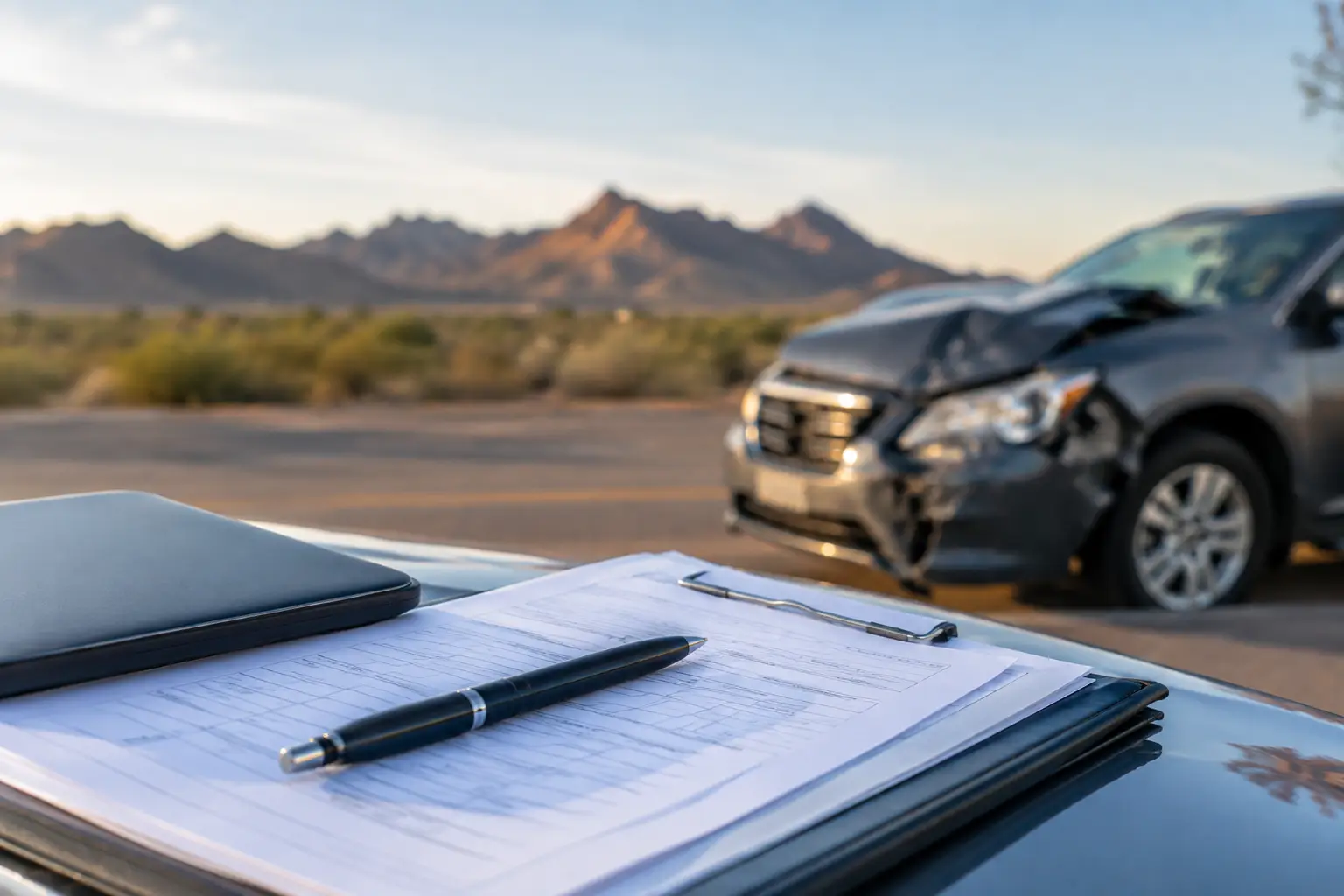
Arizona Crash Report Processing Time Explained

A crash report may be one of the first documents an insurer, attorney, or fleet manager asks for after a collision. But the Arizona crash report processing time is not the same for every accident. It depends on the reporting agency, the complexity of the investigation, and when the completed report is entered into the agency’s records system.
For most people, the practical question is simple: when can I search for the report and use it for my claim or case? Knowing what happens between the roadside investigation and record availability can help you avoid unnecessary calls, incomplete searches, and delays in follow-up.
Arizona Crash Report Processing Time: What to Expect
There is no single statewide processing deadline that applies to every Arizona crash report. A municipal police department, county sheriff’s office, and the Arizona Department of Public Safety may each use different workflows for completing, approving, and releasing collision records.
In a routine crash, the responding officer typically documents the scene, identifies involved parties and vehicles, records statements and observations, and prepares the collision report. The report may still need to be reviewed, corrected, approved, or uploaded before it can be located through an online records search.
A report may become available within several business days, but more complex incidents can take longer. A serious injury crash, fatal collision, suspected criminal offense, commercial vehicle incident, or crash involving multiple vehicles may require added investigation. In those cases, the report may not be finalized while investigators are gathering evidence or completing supplemental documentation.
The date of the crash is not always the date the report becomes searchable. Weekends, holidays, staffing levels, agency backlogs, and report corrections can also affect the timing.
Why a Report May Take Longer
A delay does not necessarily mean the report is missing. Often, it means the record has not yet moved through every administrative step needed for release.
The most common reason is that the officer has not completed the report. Officers frequently handle several calls during a shift, and a report written after the scene may require additional time to finish. If witness accounts conflict, vehicle information needs verification, or the officer needs to review photos or measurements, the reporting process can take longer.
Agency review is another factor. Some departments use supervisory review or quality checks before records are released. This helps ensure that vehicle identifiers, location details, party information, and contributing circumstances are accurately entered. That review can be useful later in an insurance or legal matter, even if it extends the initial wait.
Some crashes generate more than one record. There may be a primary collision report, a supplement, a citation record, an incident report, or separate investigative materials. These records may not become available at the same time, and they may not all be released through the same request process.
Certain information may also be withheld or redacted under applicable law. A report can be available while portions of related investigative material remain restricted. If an active investigation is underway, ask the reporting agency whether the crash report itself has been released and whether supplemental records have a different status.
Check the Right Agency Before You Search
The agency that responded to the crash generally controls the initial report. This is the most useful detail to confirm before beginning a search.
If the collision occurred on a city street, a local police department may have prepared the report. A crash in an unincorporated county area may have been handled by a sheriff’s office. Incidents on state highways or interstates may involve the Arizona Department of Public Safety, though jurisdiction can vary by location and circumstances.
Your exchange-of-information sheet, citation, case number, or paperwork provided at the scene may identify the agency. If you do not have a copy, start with the crash location and the date and time of the incident. These details can help narrow the likely reporting authority.
Searching the wrong agency’s records can make it appear that a report has not been processed when it is simply held elsewhere. This is particularly common near city boundaries, on highways that pass through local jurisdictions, and in crashes involving more than one responding agency.
Information That Helps Locate a Crash Report
A report search is usually faster when you have accurate crash details. Minor variations in a name, date, or vehicle number can affect the results, especially soon after a report is entered.
Have the crash date and approximate time available, along with the city or roadway where the collision occurred. The name of an involved driver is helpful, and a report or incident number is often the quickest identifier when one was issued at the scene. Vehicle details, such as a license plate number or VIN, may also help confirm that you have found the correct record.
Use the information exactly as it appears on the paperwork when possible. For example, search using a full legal name rather than a nickname. If a report is not found on the first attempt, check whether the date was recorded after midnight, whether the crash location falls under a neighboring agency’s jurisdiction, or whether the officer gave you a different event number than the final report number.
What to Do While the Report Is Processing
Waiting for the report does not mean you should put every other task on hold. Preserve your own documentation while the official record is being prepared. Keep photos of the vehicles, roadway, visible damage, injuries, and any relevant traffic controls. Save repair estimates, towing records, medical paperwork, rental car receipts, and communications with insurers.
Notify your insurance carrier according to the terms of your policy, even if the crash report is not available yet. You can provide the insurer with the basic crash details and submit the official report when it becomes available. If you are pursuing an injury claim or have been contacted by another party’s insurer, consider whether you need legal guidance before making detailed statements about fault or injuries.
For business vehicles, fleet administrators should preserve driver logs, vehicle telematics, inspection records, cargo documentation, and internal incident reports. These records may be needed before the official crash report is released, particularly when a vehicle must be repaired, replaced, or returned to service quickly.
When to Follow Up
If a reasonable period has passed and the report still does not appear in a search, contact the responding agency’s records unit. Provide the crash date, location, names of involved parties, and any event or case number you have. Ask whether the report has been completed, whether it is awaiting review, and whether there are any release restrictions.
Keep the request focused on the record’s status. Records personnel can often confirm whether a report exists or is still pending, but they may not be able to discuss the officer’s findings or an active investigation.
For a routine collision, checking periodically is often more effective than submitting repeated requests on the same day. If your insurance adjuster, attorney, or employer has a deadline, let them know that the official report is pending and provide the identifying information needed to track it.
Using the Report After It Is Available
Once available, review the crash report carefully for basic accuracy. Confirm the date, location, vehicle descriptions, insurance information, names, and report number. If you find a factual error, contact the reporting agency to ask about its correction process. Do not alter the document yourself.
A crash report can help establish the basic record of an incident, but it does not automatically determine insurance coverage, civil liability, or the outcome of a legal claim. Insurers and attorneys may also consider photographs, witness statements, vehicle damage, medical records, and other evidence.
When you are ready to retrieve the record, use a reliable Arizona-focused report search process and keep a copy with your claim or case file. A complete, correctly identified report gives you a clear starting point for the next administrative step after a crash.


Comments